HOME IMPROVEMENT
The Inextricably Deep World of Vaporwave


My first encounter with the strange music genre of vaporwave happened when I was about 14, scrolling through the gritty meme recess that was iFunny. I remember seeing photos that all had the same sort of elements: an Apollo head bust, a cyber grid of neon colors, palm trees, and outdated fonts. These were strangely captivating, but also unsettling.
Usually these photos were accompanied by music that I could only describe as the kind of elevator music that must have played in a hotel that was built in 1983, and is in desperate need of a renovation. It wasn’t until just recently that my boyfriend taught me the name of the album that the strangely haunting elevator music came from: Floral Shoppe by Macintosh Plus. As it turns out, the nostalgia-inducing images and music that captivated me as a 14-year-old were all part of a budding genre of music called vaporwave, and I was very right to feel unsettled.
WHAT IS VAPORWAVE?
Vaporwave is both an aesthetic and genre of music that is meant to induce nostalgia, especially for the ’80s and early ’90s, and a longing for what we imagined the future would be like back in the 1980s. The driving theme behind vaporwave is that it makes you long for a future that never happened. Vaporwave music is often composed of samples of songs from the 1970s and 80s. These are usually pitched down, slowed, and resynthesized in order to create a thick heavy sound, like something is weighing you down and pulling you back in time.
One distinctive feature of vaporwave is its fixation with Japanese language and culture. There are countless album and track titles in cryptic Japanese, which are more often than not completely unreadable to the mostly Western audience of vaporwave. Many artists even sample clips of dialogue from retro Japanese anime films, commercials, and news reels. This element of vaporwave is also tied up in its constant pursuit of awakening nostalgia. Japan enjoyed an economic boom throughout the 1980s, which is now recognized as Japan’s Bubble Economy, that would eventually come crashing down in the 1990s. Before this devastating pop, Japan was praised for its thriving business models and became a model of technological innovation in the western mind for more than a decade.
Additionally, with the success of entertainment and tech industries like Sony and Nintendo, Japan appeared to be the country that was building the future, one that looked shiny, new, and full of promise.
Perhaps the best way to understand the nostalgia-obsessed mess that is vaporwave is through Jaques Derrida’s concept of Hauntology, as proposed in “The Philosophy of Vaporwave” by the website Vapor95. According to Derrida, humans can only understand the present through past experiences and anticipation of the future. Therefore, humans never truly live “in the moment.” What we understand to be the present is always defined by our pasts along with what we anticipate to follow in the future, and is thereby never truly “just” the sensations at present. In other words, the concept of Hauntology is that humans are always haunted by the past and the futures that have yet to happen.
This tendency to filter the present through our past experiences is what gives vaporwave that undeniably nostalgic sound. Most of us have heard old music from decades long gone by. For example, if a song is full of synth and heavy reverb, you will likely identify it as some musical relic of the ’80s, which will then open up a floodgate in your mind of your experience with ’80s culture, whether that be other songs, movies, or photos of your parents from that time. To hear these outdated musical trends once again given new life through being resynthesized and paired with grainy imagery from these decades is like rolling up your sleeve and shooting your arm up with the heaviest dose of nostalgia.
SOME BRANCHES OF VAPORWAVE
The vaporwave genre is laden with subgenres, some of which are so similar that it feels superfluous to differentiate them at all. However, as someone who has listened to vaporwave for a few years now, here are some of the subgenres that I personally think deserve to be recognized, as they exemplify the many sides of the genre, ranging from ethereal or funky to downright creepy.
FUTURE FUNK
Future Funk is the more jovial branch of vaporwave. It often samples from the choruses of funk and motown music from the ’70s and early ’80s, and especially uses シティ・ポップ (City Pop), which is essentially just pop music from 1980s Japan. Future Funk sounds like what you’d imagine playing at some raging night club in the late ’70s, where everyone is young, beautiful, and having the time of their lives. Simply speaking, It’s the kind of stuff that makes you want to dance.
In the Mallsoft genre, vaporwave allows listeners to reflect on society, especially on consumerism and the influence it has on the way we experience nostalgia. If you search up “Mallsoft” on YouTube, you will be inundated with sweeping shots of lush malls aesthetically decorated with palm trees and fountains at every corner. These are the malls that some of us might remember from shopping with our parents in the late ’90s or maybe even early 2000s. As Pad Chennington, a vaporwave music producer who also runs a Youtube channel dedicated to analysis of the genre, says in his video The Hyperconsumerism of “Mallsoft”, “hyperconsumerism is an unavoidable aurora of the 80s and 90s shopping world we all once lived in, provoked by the shop ‘til you drop atmosphere of those big mean department stores and malls all across America.” Chennington goes on to argue that as technology progressed, shopping became dominated by online retailers. which has led to essentially the death of the shopping mall.
The absence of that large comforting presence drenched in shopper’s high that was once the American shopping mall has left a nostalgic hole in our hearts. This emptiness bred the genre of Mallsoft. Musically speaking, Mallsoft is essentially jazzy elevator music, reverb-ed to high hell so that it sounds like it’s being blasted on speakers and echoing throughout some desolate mall, a relic of the ’80s. As you might imagine, it can sound like cheery background music or like what might play during the end credits to the end of time. Mallsoft plays into the nostalgia we have around shopping malls, romanticizing while poking fun at our consumerist nature.
VAPORTRAP
As you might have already deduced by the name, Vaportrap is a fusion of vaporwave and trap music. Vaportrap is what you put on to party, but in a thoughtful way. Much in the vein of Vaporwave, Vaportrap utilizes sound bites that are meant to induce nostalgia through memories of older technology. For example, many Vaportrap songs construct beats around sound effects from old Nintendo 64 games or the notorious Windows 95 boot up sound. However, it is also driven by hard-hitting, relentless beats that make you want to rave.
AMBIENT
Ambient vaporwave on the other hand, is not typically the type of music that you would turn on to jam out to. It usually features nature sounds, heavy synth, and frequencies. As the name indicates, ambient vaporwave focuses more on creating ambience, on building an auditory landscape that you could sink into.
SYNTHWAVE
Synthwave is one of my personal favorite subgenres of vaporwave. This subgenre is full of synth and mesmerizing beats. Perhaps the best way to define what synthwave sounds like is to first start off with the aesthetic that is inseparable from the music. If you google “synthwave,” you’ll likely see a thousand suns overlooking a thousand different cybergrid horizons. Because of its smooth, repetitive rhythm, synthwave is regarded as the perfect music to drive to if you want to lose sense of time while feeling like the protagonist in a cyberpunk dystopia movie, happily (but thoughtfully) driving away as the end credits roll.
SO WHY SHOULD YOU CARE ABOUT THIS AT ALL?
I regard vaporwave as different from the other genres of music I listen to. If I had to describe the feeling I have towards vaporwave, I’d say it’s morbid curiosity. To me, vaporwave is a lot more like walking into an art museum than turning a playlist on shuffle, but that’s exactly why I always come back to it. The concept behind vaporwave is trying to get in touch with the future as we imagined it in the ’80s and early ’90s, but doing this through musical artifacts of the past, creating a heavy dissonance and the sense of being lost in time. I can’t say that I’ve experienced even a single day of the 1980s, and if you’re reading this, chances are that you might not have either. So, why am I, like so many other young westerners, attracted to this weird, cryptic genre of music?
Are we all so dissatisfied with our present that we’d rather retreat back into a past that none of us have personally known? Do we want to get in touch with the sense of hopefulness and promise that the future was regarded with back in the days when our parents were teenagers? These fatalistic takes do seem to intersect with Generation Z’s undeniable fascination with all things retro, which has revived the record industry, fashion from the ’80s and ’90s, and old sounding music.
However, as we all know from watching sci-fi movies that took shots at predicting what capitalist dominated futures we had in store for us, like Back to the Future Part ll, Blade Runner, or Brave New World, often the future never holds the things early generations imagined it would and many times, that’s for the better. So, no, I don’t think my generation is hopelessly depressed and longing for the past. I do think however, that the past is always comforting, by virtue of it having already been experienced and therefore being known to us. The past holds no surprises, but can stand as something we can look back on reflectively through the rose-colored glasses of nostalgia.
Vaporwave is a genre of music that plays with this truth. It is overflowing with a strange, synthetic sense of nostalgia reminding us that maybe the past wasn’t as sweet as we remembered it, and maybe the future never played out like we thought it would. But, oh, isn’t it fun to pretend if only for a little while?
VAPORWAVE STARTER PLAYLIST
When it comes to music, words can only do so much. So, for anyone who doesn’t mind falling into the rabbit hole that is vaporwave, I’ve made a Spotify playlist and Youtube playlist full of tracks from the genres I mentioned above! Unfortunately, many vaporwave tracks and albums can only be found on Youtube, so the two are not identical to each other. For anyone interested or who has the time, check out both!


You’ve probably come across the term Tgtune and wondered what it really means. The truth is, Tgtune has multiple uses depending on the context, which can confuse many readers. In amateur radio networks, it refers to TG Tune, a system that allows operators to switch radio talkgroups using simple DTMF commands on AllStarLink or DVSwitch platforms.
For anglers, Tgtune describes the tungsten weight system in Daiwa Slippery Dog topwater lures, enhancing casting distance and improving hook-up rates. Some sources even mention car tuning software, though those claims are largely unverified. This guide will explain each version and show you how to use it effectively.
What Is Tgtune?
Tgtune has multiple identities. In amateur radio networks, it is a TalkGroup Tune system that allows switching radio talkgroups with DTMF commands. This is mainly used on AllStarLink or DVSwitch setups to manage communications smoothly. For anglers, Tgtune refers to the tungsten weight system in Daiwa Slippery Dog lures, enhancing casting distance and lure performance. Some claim it is car tuning software for modifying ECU files, but these claims lack proof from verified purchasers or automotive forums.
Choosing the right Tgtune depends on your purpose. Amateur radio operators benefit from improved communication and mobile operator flexibility. Anglers see better results targeting predatory fish like bream, whiting, and flathead in estuaries. Those exploring car performance should rely on established platforms such as HP Tuners, AutoTuner, TunerPro, or SCT Flash rather than unverified products. The context defines your next steps.
Tgtune in Amateur Radio Networks
For amateur radio operators, TG Tune or TalkGroup Tune scripts simplify switching between radio talkgroups. Traditionally, changing talkgroups requires editing the extensions.conf file on an Asterisk system and restarting the server. With Tgtune, operators dial a DTMF command, and the system switches instantly. This saves time and keeps communication lines active during emergency nets or field operations.
Shared repeater systems benefit as well. Operators can move between talkgroups on demand without relying on administrators. Mobile operators can change networks while driving safely. Security matters, so you must implement access restrictions. Using MAC filtering or password protection prevents unauthorized access. Proper testing in controlled conditions ensures smooth operation.
Tgtune in Fishing: Daiwa’s Slippery Dog Lure
In fishing, Tgtune refers to the tungsten weight system inside Daiwa Slippery Dog topwater lures. This innovation improves casting distance while allowing the lure to sit vertically at rest. Such placement keeps hooks ready for strikes from predatory fish. Environmental regulations often prefer tungsten over lead to reduce contamination.
The walk-the-dog retrieve technique works best. Cast the 65mm lure, 3.8g weight or the 80mm lure, 6.5g weight, let it settle briefly, and twitch the rod tip while reeling slowly. This creates realistic zig-zag motion that triggers attacks from bream, whiting, and flathead in estuaries. Sensitivity through the rod helps anglers detect subtle bites. Real-world results show higher hook-up rates with this topwater lure.
Tgtune as Car Tuning Software
Some websites claim Tgtune is car tuning software that modifies ECU (Engine Control Unit) files. They promise better fuel efficiency, performance, and handling. However, no credible evidence supports these claims. Established platforms like HP Tuners, AutoTuner, TunerPro, and SCT Flash are widely recognized and backed by automotive forums and verified purchasers.
Using unverified software can damage your engine, void warranties, or create unsafe driving conditions. Always check vehicle calibration files and technical documentation before attempting tuning. Look for real-world results, screenshots, and active community support. Avoid generic claims that could harm your car.
Tgtune as a Productivity or Tech Platform
Emerging tech tools also adopt the name Tgtune. These platforms aim to optimize workflows, automate processes, or improve productivity. Businesses may use them for performance optimization or real-time monitoring. While promising, evaluation is key. Check whether features match real user experiences and whether integration with other software is smooth.
Legitimate platforms have tutorials, support channels, and feedback from multiple users. Test trial versions and compare results before committing. This ensures your investment brings actual benefits and avoids wasting time on unverified products.
Key Features and Benefits Across Different Uses
| Context | Key Features | Benefits |
| Amateur Radio | TG Tune, DTMF commands, Asterisk system | Quick talkgroup switching, emergency flexibility |
| Fishing | Tungsten weight, walk-the-dog retrieve, topwater lure | Better hook-up rates, increased casting, legal compliance |
| Car Tuning | ECU file editing, software integration | Reliable engine tuning with established platforms |
| Productivity Tools | Automation, workflow optimization | Efficiency, real-time monitoring, flexible integration |
Across all uses, Tgtune improves performance, saves time, and provides convenience. Users benefit when they understand the context.
Common Mistakes and How to Avoid Them
In amateur radio networks, skipping tests before deployment can crash the Asterisk system or break TalkGroup Tune setups. Always back up extensions.conf and start with simple commands. For anglers, confusing standard Slippery Dog lures with TG Tune models can reduce hook-up rates. Always confirm the tungsten weight model before purchase.
For car enthusiasts, trusting unverified car tuning software can ruin your engine. Stick to trusted platforms like HP Tuners, AutoTuner, or SCT Flash. Cross-check claims on automotive forums and seek input from verified purchasers to avoid costly mistakes.
How to Set Up Tgtune for Beginners
For newcomers, setting up Tgtune depends on the context. Radio operators should start by editing the extensions.conf file carefully in the Asterisk system. Follow simple DTMF commands to switch radio talkgroups without downtime. For anglers, make sure the Daiwa Slippery Dog lure is the tungsten weight version. Beginners in car tuning should explore trusted platforms like HP Tuners or TunerPro rather than unverified software. Testing in a controlled environment ensures safety and smooth performance for all uses of Tgtune.
Advanced Tips for Amateur Radio Operators
Experienced amateur radio operators can take advantage of TG Tune for emergency nets and shared repeater systems. Mobile operators benefit from preconfigured TalkGroup Tune sequences that reduce setup time. Using AllStarLink and DVSwitch efficiently allows for multiple radio talkgroups to be managed in real-time. Always document your extensions.conf updates and test new features to avoid crashes. Security settings like password protection or node-specific restrictions prevent unauthorized access and keep communications secure.
Optimizing Your Fishing Experience with Tgtune
Anglers can improve results with Daiwa Slippery Dog by mastering the walk-the-dog retrieve. Cast the 65mm lure, 3.8g weight or 80mm lure, 6.5g weight, pause briefly, and twitch the rod tip in a zig-zag motion. This mimics prey movement and triggers strikes from bream, whiting, and flathead. Using tungsten weight improves sensitivity, so you feel subtle bites. Compliance with environmental regulations ensures safe fishing. Adjusting retrieve speed based on target estuary species helps optimize hook-up rates in real-world fishing conditions.
Evaluating Car Tuning Software Claims
Many websites claim Tgtune car tuning software can enhance engine performance, fuel efficiency, or handling. However, no evidence supports these claims. Trusted platforms like HP Tuners, AutoTuner, TunerPro, and SCT Flash provide verifiable results, community feedback, and proper vehicle calibration files. Checking automotive forums and reviews from verified purchasers helps avoid scams. Avoid products that lack screenshots, tutorials, or active support. Real-world results always matter more than bold product claims.
User Insights and Reviews
Radio operators praise TG Tune for saving time during emergency nets and field operations. Mobile operators report smooth network switching on shared repeater systems. Anglers highlight Daiwa Slippery Dog with tungsten weight for improved casting distance and realistic action. Real-world results consistently show higher hook-up rates for species like bream, whiting, and flathead.
In cars, forums such as NASIOC and VWVortex warn against unverified Tgtune software. Verified users recommend platforms like HP Tuners, TunerPro, or SCT Flash for safe ECU tuning. These insights show that understanding context ensures positive outcomes across all Tgtune uses.
Cultural Significance and Growing Popularity
Tgtune has gained attention in radio, fishing, and tech communities. For amateur radio operators, it streamlines communication in AllStarLink networks. Anglers enjoy Slippery Dog lures for legal and effective topwater fishing. In automotive circles, discussions on automotive forums like NASIOC and VWVortex highlight skepticism and caution around unverified car tuning software.
The versatility of Tgtune reflects its growing cultural impact. Communities share tips, success stories, and challenges online. From field operations to estuary fishing, the term inspires innovation, practical solutions, and user engagement. Its popularity continues to rise as more people discover real-world benefits.
FAQS
What does Tgtune mean in amateur radio?
In amateur radio networks, Tgtune refers to TG Tune or TalkGroup Tune, a script that lets operators switch radio talkgroups using DTMF commands on AllStarLink or DVSwitch systems.
How does Tgtune work in fishing?
For anglers, Tgtune is the tungsten weight system inside Daiwa Slippery Dog lures. It improves casting distance and hook-up rates, especially when using the walk-the-dog retrieve technique for predatory fish like bream, whiting, and flathead.
Is Tgtune real car tuning software?
No verified evidence supports Tgtune as car tuning software. Trusted platforms like HP Tuners, AutoTuner, TunerPro, and SCT Flash provide legitimate ECU tuning and documented vehicle calibration files.
Which version of Tgtune should I use?
It depends on your purpose. Amateur radio operators use it for TG Tune setups. Anglers focus on Daiwa Slippery Dog lures. Car enthusiasts should stick with trusted tuning software for safe ECU adjustments.
Where can I find guides for Tgtune?
Radio operators can check AllStarLink forums or DVSwitch tutorials. Anglers can visit fishing tackle stores or Daiwa dealer websites. For car tuning, explore automotive forums like NASIOC and VWVortex for verified guidance.
Conclusion
Tgtune means different things depending on your context. For amateur radio operators, it is a TG Tune system that streamlines TalkGroup Tune functionality. Anglers benefit from Daiwa Slippery Dog with tungsten weight for better casting distance and hook-up rates. Car tuning claims lack verified evidence, so rely on trusted platforms like HP Tuners, TunerPro, and SCT Flash.
Understanding context ensures you choose the right Tgtune. Explore forums for setup tips, confirm products before buying, and always test new tools safely. With this knowledge, you can confidently navigate radio, fishing, and tech applications while maximizing real-world results.
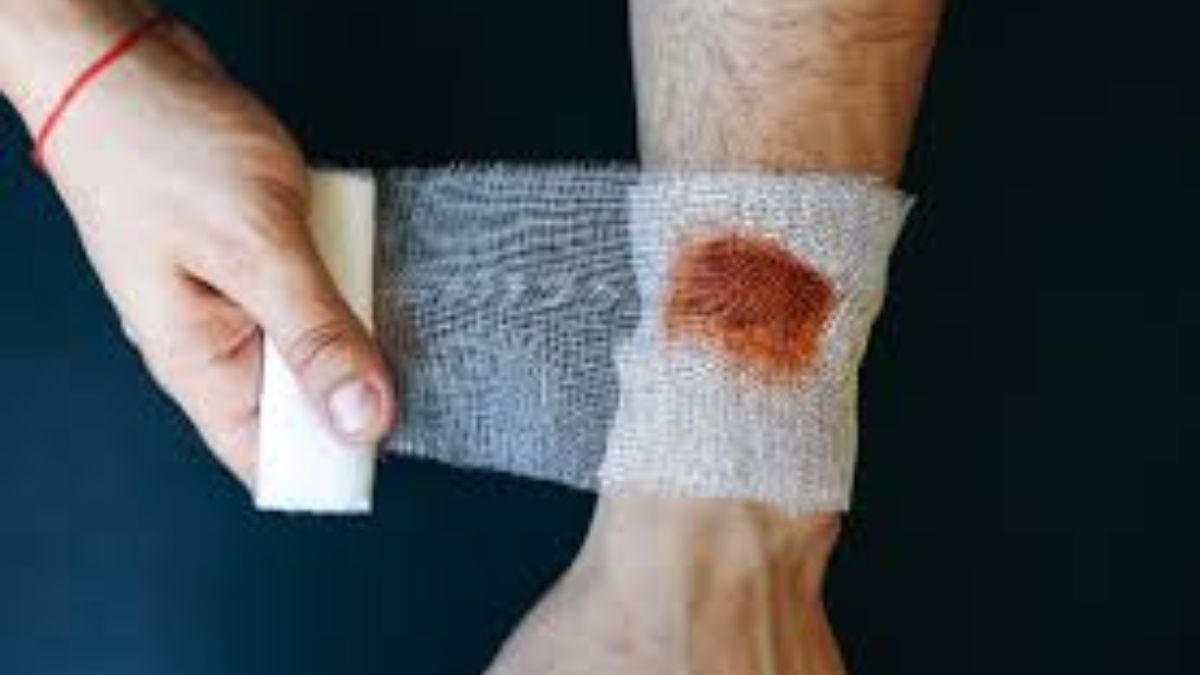
Severe bleeding is one of the most common medical emergencies that can occur unexpectedly. Whether it’s from a deep cut, traumatic injury, or an accident, knowing how to treat bleeding effectively is a critical life-saving skill. Understanding how to stop severe bleeding can be the difference between life and death, especially when professional medical help is not immediately available. In this guide, we’ll walk you through the essential steps on how to treat bleeding and help you understand what to do in case of an emergency.
Why is Treating Bleeding Important?
Bleeding is the body’s natural response to injury, but when it becomes severe, it can cause significant damage. If not treated promptly, severe bleeding can lead to shock, blood loss, and even death. By stopping the bleeding quickly, you can help prevent these severe outcomes and give the injured person a better chance of survival until professional medical help arrives.
Learning how to treat bleeding properly is an essential part of first aid training. With the right knowledge and actions, anyone can provide the necessary care during a bleeding emergency.
Step 1: Assess the Situation
Before you begin treating the wound, the first step in how to treat bleeding is to assess the situation. This helps you understand the severity of the injury and make informed decisions. Here’s what you should do:
- Ensure Your Safety: Before approaching the injured person, make sure the environment is safe. Check for any hazards, such as traffic or unstable structures. If the scene is dangerous, move the person to a safer location if possible.
- Check for Severe Bleeding: Look for large, open wounds or significant blood loss. Severe bleeding is typically characterized by blood that spurts from a wound (arterial bleeding) or flows heavily (venous or capillary bleeding). If bleeding is severe, it will need immediate attention.
- Call for Help: If the bleeding is severe and uncontrollable, it’s crucial to call emergency services immediately. Alert them to the situation and provide details about the severity of the injury.
Step 2: Apply Direct Pressure
Once you’ve assessed the situation, the next step in how to treat bleeding is to apply direct pressure to the wound. This is the most effective way to stop or slow down the bleeding.
- Use a Clean Cloth or Bandage: Take a clean cloth, gauze pad, or any available fabric and press it firmly against the wound. If you don’t have a cloth, use your hand, but avoid touching the bleeding directly with bare skin if possible.
- Apply Constant Pressure: Use your hand or a bandage to apply continuous pressure to the wound. The pressure helps compress the blood vessels, reducing blood flow and allowing the body to form a clot.
- Don’t Remove the Cloth: If blood begins to soak through the cloth, don’t remove it. Instead, add more layers of cloth or gauze on top and continue to apply pressure. Removing the cloth can disrupt the clotting process and cause the bleeding to worsen.
Step 3: Elevate the Injured Area (if possible)
If the injury is on an arm or leg, elevating the injured area may help reduce blood flow to the wound and slow the bleeding. However, do not attempt to elevate the area if it causes more pain or if there is a suspected fracture. Elevating the injured area is more effective for controlling bleeding from wounds in the limbs.
- Position the Injury: If the injured person is conscious and comfortable, carefully elevate the injured arm or leg above the level of the heart.
- Monitor for Shock: While elevating the injured area may help slow bleeding, it’s important to watch for signs of shock, which can include weakness, rapid breathing, and confusion. If these signs appear, try to keep the person warm and calm while awaiting medical help.
Step 4: Apply a Tourniquet (If Necessary)
In cases of severe bleeding, especially when the bleeding cannot be controlled with direct pressure, a tourniquet may be required. This is a more advanced technique and should only be used when necessary.
- When to Use a Tourniquet: A tourniquet should be applied only in cases of severe bleeding that cannot be controlled by direct pressure, particularly for limb injuries with large blood vessels.
- How to Apply a Tourniquet: If you’re trained in its use, apply the tourniquet 2–3 inches above the bleeding site (closer to the body). Tighten it until the bleeding stops. It’s important to note the time when the tourniquet was applied, as it should not be left on for too long, as this can cause tissue damage.
- Seek Medical Attention: Tourniquets should always be applied as a last resort. Seek professional medical help immediately if you use a tourniquet.
Step 5: Treat for Shock
Severe bleeding often leads to shock, a dangerous condition where the body’s organs do not receive enough oxygen. Recognizing the signs of shock and treating the person can help prevent further complications.
- Signs of Shock: Symptoms may include pale skin, rapid heartbeat, shallow breathing, weakness, confusion, or dizziness.
- How to Treat for Shock: Lay the injured person down on their back, raise their feet (if possible), and keep them warm by covering them with a blanket or clothing. Encourage the person to stay calm and still. Do not give them anything to drink or eat.
Step 6: Monitor and Comfort the Injured Person
While you wait for medical professionals to arrive, continue to monitor the injured person’s condition. Keep the injured area elevated (if applicable), maintain pressure on the wound, and stay with the person to offer comfort and reassurance.
Step 7: Follow Up with Professional Care
Once professional help arrives, inform them of the steps you’ve taken to treat the bleeding and follow any further instructions they provide. The injured person will likely need additional care and treatment, such as stitches, blood transfusions, or more advanced medical interventions.
How to Get Certified in First Aid for Severe Bleeding
Learning how to treat bleeding properly can save a life, and the best way to ensure you’re prepared for emergencies is to get certified. The First Aid for Severe Bleeding Certification is an essential course that covers these steps in detail. Through this certification, you’ll gain valuable hands-on skills to stop severe bleeding and provide first aid in emergencies.
By completing this course, you’ll:
- Learn how to recognize and treat severe bleeding
- Master techniques like applying direct pressure and using a tourniquet
- Gain confidence in your ability to respond to traumatic injuries
- Be better equipped to handle real-world emergencies
Conclusion
Knowing how to treat bleeding is a vital skill that could save someone’s life during an emergency. By learning how to act quickly and effectively, you can stop severe bleeding, reduce the risk of shock, and provide comfort until professional help arrives. Getting certified in First Aid for Severe Bleeding through CPR Certification Now ensures that you’re well-prepared for any emergency.


Blow Pops are a fun, colorful candy many people grew up enjoying—but if you’re a parent, a calorie tracker, or someone watching sugar intake, you probably want to know what’s really inside one. This guide breaks down blow pop nutrition information in a clear, honest, and easy-to-understand way, so you can make informed choices without confusion.
What Is a Blow Pop?
A Blow Pop is a hard lollipop with bubble gum in the center. It’s known for bold flavors, bright colors, and long-lasting sweetness. Nutritionally, it falls into the category of sugar-based candy, meaning most of its calories come from carbohydrates.
Blow Pop Nutrition Facts (Per Piece)
Here’s a general look at blow pop nutrition per piece. Values may vary slightly by flavor.
| Nutrient | Approx. Amount |
|---|---|
| Calories | 60–70 |
| Total Carbohydrates | 17–18 g |
| Sugar Content | 13–15 g |
| Fat | 0 g |
| Sodium | 0–5 mg |
| Protein | 0 g |
This table reflects what you’d typically see on a blow pop candy nutrition label.
How Many Calories Are in a Blow Pop?
One Blow Pop contains around 60 to 70 calories.
All of these calories come from sugars and carbs, not fat or protein.
For calorie-conscious eaters, this makes Blow Pops a low-fat but high-sugar snack.
Blow Pop Sugar Content Explained
If you’re wondering how much sugar does a blow pop have, the answer is: quite a bit for its size.
Around 13–15 grams of sugar per pop
Nearly 3–4 teaspoons of added sugar
No fiber or protein to slow sugar absorption
This matters especially for kids, diabetics, and frequent snackers.
Blow Pop Carbs and Sugar Breakdown
From a nutrition standpoint:
Blow pop carbs: Mostly simple carbohydrates
Blow pop sugar content: The majority of total carbs
No complex carbs or fiber
Blow Pop Ingredients Explained
Common blow pop ingredients include:
Sugar
Corn syrup
Artificial flavors
Artificial colors
Gum base (center)
Citric acid
There are no fats, vitamins, or minerals in meaningful amounts. Some flavors may contain allergens depending on manufacturing, so always check the label if allergies are a concern.
Blow Pop Gum Calories: Does the Center Add More?
Yes—but only slightly.
The gum center adds a few extra calories
Still entirely sugar-based
No nutritional benefits
So when looking at blow pop gum nutrition facts, think of it as an extension of the candy, not a separate snack.
Is Blow Pop Candy Unhealthy?
Blow Pops aren’t “bad” in moderation, but they’re not nutritious.
They are:
High in added sugar
Low in nutrients
Best treated as an occasional treat
For daily snacking, healthier options exist—but as an occasional candy, portion control is key.
Are Blow Pops Bad for Teeth?
Dentists often caution against hard candies like Blow Pops because:
Sugar stays on teeth for a long time
Sticky gum can trap sugar
Increases cavity risk if eaten frequently
Rinsing with water after eating helps reduce damage.
Blow Pop Nutrition Information for Kids
For children:
One Blow Pop already meets a large portion of daily sugar limits
Frequent consumption may affect dental health
Best reserved for special occasions, not daily snacks
Parents should balance candy with meals containing protein and fiber.
Is Blow Pop Safe for Diabetics?
From an informational standpoint:
Blow Pops are high in sugar
They can cause rapid blood sugar spikes
Not ideal without medical guidance
People managing diabetes should always check with a healthcare professional before including sugary candy.
Blow Pop vs Other Lollipops Nutrition
Compared to standard lollipops:
Calories: Similar
Sugar: Similar
Unique feature: Gum center
Nutritionally, Blow Pops are not significantly better or worse than most sugar candies.
FAQ`s
How many calories are in a blow pop?
About 60–70 calories per piece, depending on flavor.
How much sugar does a blow pop have?
Roughly 13–15 grams of sugar, mostly added sugars.
What is the serving size for a blow pop?
One individual lollipop (one piece).
Does blow pop contain fat or sodium?
No fat and only trace sodium amounts.
Does blow pop contain allergens?
Most flavors don’t list common allergens, but always read the label to be safe.
Final Thoughts
Understanding blow pop nutrition information helps you enjoy treats responsibly. Blow Pops are fun, nostalgic, and flavorful—but they’re best enjoyed occasionally, especially for kids and anyone watching sugar intake.
✍️ Author Bio
Daniel Carter is an experienced content writer specializing in food, nutrition, and consumer health topics. He holds an academic background in health sciences and has written evidence-based articles for educational blogs and nutrition-focused websites.

 Cartoon1 year ago
Unlocking the Potential of Nekopoi.care: A Comprehensive Guide
- Game3 years ago
Exploring Aopickleballthietke.com: Your Ultimate Pickleball Destination
- HEALTH2 years ago
Wegovy: Important Information and Prescription Instructions
- BUSINESS2 years ago
Unraveling the Mystery of 405 Howard Street San Francisco charge on Credit Card
- BUSINESS1 year ago
What Companies Are In The Consumer Services Field
- HOME IMPROVEMENT3 years ago
Vtrahe vs. Other Platforms: Which One Reigns Supreme?
- ENTERTAINMENT2 years ago
Understanding Bunkr Album: A Comprehensive Guide
- FASHION3 years ago
5 Reasons Why Every Woman Needs a Long Sleeve Dress in Her Closet