
FOOD
The Ultimate Guide to Making Authentic Cevıırı at Home

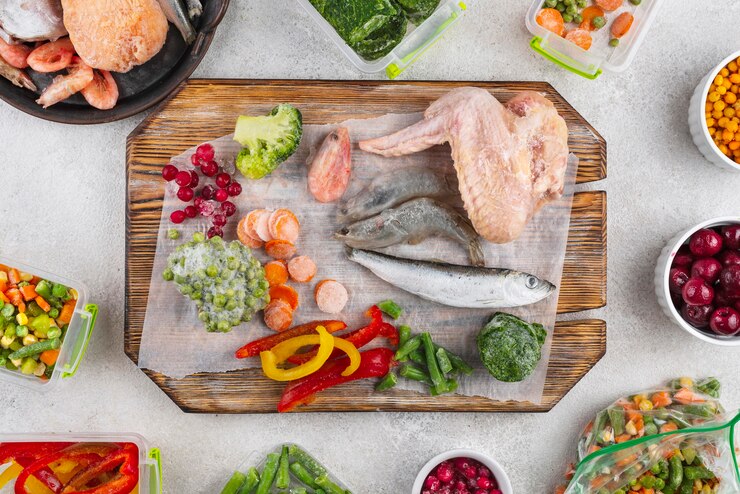
Step into the vibrant world of culinary delights as we embark on a journey to uncover the secrets of making authentic Cevıırı right in your own kitchen. Originating from the rich tapestry of Turkish cuisine, this savory dish has captured hearts and taste buds around the globe. Join us as we delve into the history, ingredients, regional variations, serving suggestions, health benefits, and more in our ultimate guide to mastering the art of Cevıırı at home. Get ready to tantalize your senses and elevate your cooking skills with this exotic delicacy!
Unveiling the Origins
Cevıırı traces its roots back to the vibrant culinary landscape of Turkey, where it holds a special place in both tradition and taste. The dish is believed to have originated in southeastern Turkey, particularly in Gaziantep, a region renowned for its bold flavors and rich spices.
Legend has it that Cevıırı was created by skilled Turkish chefs seeking to craft a dish fit for royalty. Over time, this exquisite creation made its way from palace kitchens to local eateries and eventually found its place on dining tables worldwide.
The name “Cevıırı” itself is said to be derived from the Turkish word “cevirme,” meaning rotating or turning. This references the traditional method of cooking thinly sliced marinated meat on a vertical rotisserie known as a doner kebab.
Today, Cevıırı stands as a testament to the enduring legacy of Turkish cuisine, captivating food enthusiasts with its tantalizing flavors and cultural significance.
Key Ingredients and Preparation Method
When it comes to making authentic Cevıırı at home, the key lies in selecting the right ingredients and following the traditional preparation method. The main components typically include ground lamb or beef, onions, garlic, tomatoes, bell peppers, and a variety of spices such as paprika, cumin, and red pepper flakes.
To start off, sauté finely chopped onions and garlic in olive oil until they turn translucent. Add your choice of meat and brown it well to build flavor. Next, incorporate diced tomatoes and bell peppers into the mix along with a blend of aromatic spices for that signature taste.
Allow the mixture to simmer on low heat until all the flavors meld together beautifully. Serve hot with a side of fluffy rice or warm pita bread for a truly satisfying meal that captures the essence of Turkish cuisine at its finest.
Regional Variations and Cultural Significance
When it comes to cevıırı, regional variations add a fascinating layer of diversity and cultural significance to this beloved dish. In Turkey, the birthplace of cevıırı, each region puts its unique spin on the recipe, resulting in a myriad of flavors and textures.
In Izmir, you might find a tangy twist with the addition of sumac or pomegranate molasses. And In Antalya, fresh mint and parsley brighten up the dish with their aromatic notes. Meanwhile, in Istanbul, creamy yogurt is often drizzled over the top for added richness.
Beyond Turkey’s borders, countries like Greece and Lebanon also have their versions of cevıırı, showcasing how this dish has transcended boundaries and become a culinary staple across cultures.
Whether enjoyed as an appetizer or main course, cevıırı serves as a delicious reminder of the rich tapestry of flavors that make up our world’s gastronomic heritage.
Serving Suggestions and Pairings
When it comes to serving cevıırı, the possibilities are endless. This flavorful dish can be enjoyed in various ways, making it a versatile addition to any meal.
For a traditional experience, serve your cevıırı with freshly baked bread or pita for dipping and sopping up all the delicious juices. The combination of warm bread and savory cevıırı is a match made in culinary heaven.
If you’re looking to add some freshness to your meal, consider pairing your cevıırı with a side salad dressed with lemon vinaigrette. The crispness of the salad provides a nice contrast to the richness of the dish.
To elevate your dining experience, pair your cevıırı with a glass of light-bodied red wine or a refreshing beer. The acidity and fruitiness of these beverages complement the flavors of the dish perfectly.
Whether you choose to serve it as an appetizer, main course, or snack, one thing is for sure – cevıırı will always leave you craving more.
Health Benefits and Nutritional Information
Delving into the health benefits of cevıırı unveils a treasure trove of nutritional goodness. This delectable dish is rich in lean protein, thanks to its main ingredient – fish. Packed with omega-3 fatty acids, it supports heart health and reduces inflammation in the body.
The vibrant mix of fresh vegetables like tomatoes, onions, and herbs not only adds flavor but also provides a dose of essential vitamins and minerals. These colorful veggies contribute antioxidants that help boost the immune system and promote overall well-being.
Cevıırı’s light dressing of olive oil not only enhances its taste but also offers healthy fats that are beneficial for brain function and skin health. Additionally, the dish is low in carbohydrates, making it a great option for those looking to manage their blood sugar levels.
Indulging in this traditional Mediterranean delight isn’t just about savoring flavors; it’s also about nourishing your body from within.
Exploring Different Ways to Enjoy Cevıırı
When it comes to enjoying cevıırı, the possibilities are endless.
One popular way to savor this dish is by pairing it with freshly baked bread or crispy pita chips for a delightful crunch. The contrast in textures elevates the overall dining experience.
For a refreshing twist, try adding diced avocado or mango to your cevıırı for a tropical flair. The creamy texture of the avocado complements the tangy flavors of the marinade perfectly.
If you’re feeling adventurous, consider serving cevıırı over a bed of mixed greens for a light and healthy meal option. The vibrant colors and flavors will surely impress your guests.
For those who enjoy heat, don’t be afraid to sprinkle some chili flakes or drizzle hot sauce over your cevıırı for an extra kick. It adds an exciting element to this already flavorful dish.
Whether you prefer traditional preparations or like to experiment with creative twists, exploring different ways to enjoy cevıırı ensures that every bite is a culinary adventure.
Where to Find the Best Cevıırı in the World
Looking to embark on a culinary journey in search of the best Cevıırı in the world? Look no further! From the bustling streets of Istanbul to quaint seaside villages along the Mediterranean coast, Cevıırı can be found in various corners of Turkey. Venture into local eateries and family-owned restaurants for an authentic taste experience that will tantalize your taste buds.
For those craving a global gastronomic adventure, head to cities like London, Berlin, or New York City where multicultural influences have given rise to innovative interpretations of this traditional dish. Be sure to explore food markets and specialty stores known for sourcing quality ingredients to elevate your Cevıırı experience.
If you’re feeling adventurous, consider trying out recipes at home using fresh seafood or alternative protein options. Experiment with different spice blends and garnishes to create a personalized version of this beloved Turkish dish. Whether dining out or cooking up a storm in your own kitchen, the quest for the best Cevıırı is an exciting culinary pursuit that promises delightful discoveries at every turn.
Conclusion
In your journey to mastering the art of making authentic cevıırı at home, you have delved into its rich origins, explored key ingredients and preparation methods, discovered regional variations and cultural significance, learned about serving suggestions and pairings, uncovered health benefits and nutritional information, explored different ways to enjoy it, and found out where to find the best cevıırı in the world.
Now armed with knowledge and inspiration, it’s time to roll up your sleeves, gather your ingredients, and embark on a culinary adventure that will not only tantalize your taste buds but also deepen your appreciation for this beloved dish. Whether you’re enjoying it solo or sharing it with loved ones, savor every bite of this flavorful delight that transcends borders and brings people together through its shared love for good food.
So go ahead – whip up a batch of homemade cevıırı today and let its savory goodness transport you to distant lands filled with exotic flavors and heartwarming traditions. Bon appétit!


If you’ve ever picked up a bottle of apple juice and flipped it over, the apple juice nutrition label can feel confusing—especially when you’re watching sugar, calories, or buying drinks for kids. Many people assume apple juice is always healthy, but the label tells a more complete story.
This guide explains apple juice nutrition facts in clear, simple language so health-conscious adults, parents, dieters, students, and blood-sugar-aware readers can make informed choices without guesswork.
What Is an Apple Juice Nutrition Label?
An apple juice nutrition label shows what’s inside one serving of juice and how it fits into your daily diet. It includes:
Calories
Sugar and carbohydrates
Vitamins and minerals
Ingredients list
Percent Daily Value (%DV)
Understanding this label helps you compare 100% apple juice nutrition with juice drinks, sodas, or whole apples.
Apple Juice Nutrition Facts (Per 1 Cup / 240 ml)
Here’s a general overview of apple juice calories per cup and nutrients (values may vary by brand):
| Nutrient | Amount |
|---|---|
| Calories | ~110 |
| Carbohydrates | ~28 g |
| Sugar content | ~24 g |
| Fiber | 0 g |
| Vitamin C | 100–120% DV |
| Potassium | ~2% DV |
This table reflects common packaged apple juice nutrition found in stores.
Apple Juice Serving Size: Why It Matters
The apple juice serving size on the label is usually 1 cup (240 ml). Many bottles contain 2–3 servings, which means:
Drinking the whole bottle can double or triple sugar intake
Calories add up quickly without feeling full
Always check apple juice nutrition label per serving, not just per bottle.
How Much Sugar Is in Apple Juice?
A common question is: how much sugar is in apple juice?
About 24 grams of natural sugar per cup
That’s close to 6 teaspoons of sugar
No fiber to slow sugar absorption
Even without added sugar, apple juice can raise blood sugar quickly—important for diabetics and weight-loss followers.
Does Apple Juice Have Added Sugar?
Many people ask, does apple juice have added sugar?
100% apple juice: No added sugar, but still high in natural sugar
Juice drinks or blends: Often contain added sugars or syrups
Always read apple juice ingredients. Ideally, it should list only:
Apple juice (from concentrate) and/or Vitamin C (ascorbic acid)
Apple Juice Carbs and Sugar Breakdown
From a nutrition standpoint:
Almost all apple juice carbohydrates come from sugar
Zero fiber means faster digestion
Easy to overconsume without realizing it
This matters for people tracking macros or managing blood sugar.
Apple Juice Vitamins and Daily Value
Apple juice does offer some benefits:
High in Vitamin C (immune support)
Small amounts of potassium
No fat or cholesterol
However, aside from Vitamin C, the apple juice daily value for most nutrients is low.
Apple Juice vs Whole Apple Nutrition
A frequent comparison is apple juice vs whole apple nutrition:
| Whole Apple | Apple Juice |
|---|---|
| Fiber-rich | No fiber |
| More filling | Less filling |
| Slower sugar release | Faster sugar spike |
| Fewer calories | More calories per serving |
For daily health, whole apples are usually the better choice.
Is Apple Juice Healthy According to Nutrition Label?
So, is apple juice healthy according to nutrition label?
Yes, in moderation, especially:
Small portions
100% juice only
Not consumed daily in large amounts
No, if:
Used as a replacement for whole fruit
Given frequently to young children
Drunk in large quantities
Is 100% Apple Juice Better Than Juice Drinks?
Yes. Is 100% apple juice better than juice drinks?
Absolutely—because juice drinks often contain:
Added sugar
Artificial flavors
Lower fruit content
Still, “better” doesn’t mean “limitless.”
Apple Juice Nutrition Label Explained Simply (For Kids & Parents)
For parents searching apple juice nutrition label for kids:
High sugar, even without added sugar
Best limited to 4–6 oz per day
Water and whole fruit are better everyday options
Diluting juice with water can reduce sugar intake.
FAQ`s
How to read an apple juice nutrition label?
Start with serving size, then check sugar, calories, and ingredients. Look for “100% juice” and no added sugar.
How many calories are in apple juice per cup?
The apple juice calories per cup nutrition label usually shows about 110 calories.
Does apple juice contain fiber?
No. Apple juice has 0 grams of fiber, unlike whole apples.
Is apple juice okay for diabetics?
Only in very small portions and with blood-sugar monitoring, due to high sugar content.
Is apple juice FDA regulated?
Yes. Apple juice nutrition facts FDA label rules require accurate serving sizes, sugar disclosure, and ingredient listing.

Choosing the right condiment can make or break a healthy meal. If you’re watching calories, managing blood sugar, or simply trying to eat cleaner, you’ve probably wondered whether balsamic vinegar fits into your daily diet. Understanding balsamic vinegar nutritional information helps you enjoy its rich flavor without compromising your health goals.
This guide breaks down calories, sugar, carbs, ingredients, and real health benefits—so you can use balsamic vinegar with confidence.
What Is Balsamic Vinegar Made Of?
Balsamic vinegar is traditionally made from grape must, which is freshly crushed grape juice cooked and fermented over time. The aging process gives it its deep color and sweet-tangy flavor.
Common balsamic vinegar ingredients include:
Cooked grape must
Wine vinegar (in commercial versions)
Natural fermentation acids
Traditional balsamic vinegar uses no artificial sweeteners, while some store-bought versions may contain added sugars or caramel coloring.
Balsamic Vinegar Nutrition Facts (Per Tablespoon)
Understanding portion size is key. A balsamic vinegar serving size is usually 1 tablespoon (15 ml).
Balsamic vinegar nutritional information per tablespoon:
Calories: 14
Carbohydrates: 2.7 g
Sugar content: 2.4 g
Fat: 0 g
Protein: 0 g
Sodium: 2–5 mg
These low numbers explain why balsamic vinegar is popular among calorie-conscious eaters.
How Many Calories Are in Balsamic Vinegar?
If you’re tracking calories, you’ll be happy to know that balsamic vinegar calories per tablespoon are very low compared to creamy dressings.
Balsamic vinegar: ~14 calories
Ranch dressing (1 tbsp): ~70 calories
Caesar dressing (1 tbsp): ~80 calories
This makes balsamic vinegar one of the best low-calorie vinegars for salads and marinades.
Does Balsamic Vinegar Have Sugar?
Yes, but in small amounts. Since it’s made from grapes, balsamic vinegar sugar content comes naturally from fruit sugars.
Key points:
Sugar is naturally occurring, not refined
Amount per tablespoon is modest
Traditional versions often contain less added sugar
For most people, this small sugar amount fits easily into a balanced diet.
Balsamic Vinegar Carbs and Sugar Breakdown
Carbs in balsamic vinegar mainly come from natural sugars.
Total carbs: ~2.7 g per tablespoon
Net carbs: ~2.4 g
Because portions are small, many low-carb eaters still use it sparingly.
Is Balsamic Vinegar Healthy for Daily Use?
When used in moderation, balsamic vinegar can be part of a healthy daily diet.
Balsamic vinegar health benefits include:
Adds flavor without excess fat
Helps reduce the need for sugary dressings
Contains antioxidants from grapes
Low in sodium and calories
Health-conscious eaters often use it to enhance meals without guilt.
Is Balsamic Vinegar Good for Weight Loss?
Yes, when used correctly. Balsamic vinegar for weight loss works best as a replacement for high-calorie sauces.
Why it helps:
Very low calorie
Naturally enhances taste
Encourages portion control
Supports healthier eating habits
It won’t cause weight loss on its own, but it supports smarter food choices.
Can Diabetics Eat Balsamic Vinegar?
Many people ask, can diabetics eat balsamic vinegar? The answer is generally yes—in moderation.
Important considerations:
Small portions help prevent blood sugar spikes
Choose traditional or sugar-free versions
Avoid thick balsamic glazes
For most people, balsamic vinegar does not significantly affect blood sugar when used sparingly.
Is Balsamic Vinegar Keto Friendly?
Strict keto diets limit carbs heavily. While balsamic vinegar isn’t zero-carb, many keto followers use it in small amounts.
Not ideal for large servings
Acceptable in small portions
Apple cider vinegar may be a better keto option
So, is balsamic vinegar keto friendly? Yes—when used carefully.
Traditional Balsamic Vinegar Nutrition vs Regular
Traditional balsamic vinegar nutrition:
Longer aging process
Thicker texture
Richer flavor
Often less added sugar
Regular commercial balsamic vinegar:
Shorter aging
Thinner consistency
May include additives
Traditional varieties are often preferred for health and taste.
Balsamic Glaze Nutrition vs Vinegar
Many people confuse the two, but they’re very different.
Difference between balsamic vinegar and balsamic glaze nutrition:
Balsamic glaze: higher sugar, thicker, higher calories
Balsamic vinegar: lighter, fewer carbs, healthier
If nutrition matters, vinegar is the better everyday choice.
FAQ`s
Is balsamic vinegar healthy for daily use?
Yes, when used in moderation, it’s a low-calorie and low-sodium option.
Does balsamic vinegar affect blood sugar?
Small amounts typically have minimal impact, especially when consumed with meals.
What is the best low-calorie vinegar for salads?
Balsamic vinegar, red wine vinegar, and apple cider vinegar are all excellent options.
How much balsamic vinegar should I use per serving?
Stick to 1–2 tablespoons to keep calories and sugar low.
Is balsamic vinegar better than creamy dressings?
Yes. It contains far fewer calories, fats, and additives.
Final Thoughts
Understanding balsamic vinegar nutritional information makes it easier to enjoy bold flavor without unhealthy extras. With low calories, minimal sodium, and natural sweetness, balsamic vinegar is a smart choice for salads, marinades, and everyday meals—especially for health-conscious eaters, weight-loss followers, and those managing blood sugar.
✍️ Author Bio
James Walker is an experienced SEO content writer specializing in health, nutrition, and food-related topics. He holds an academic background in business and digital content strategy, with a strong focus on creating reader-first, search-optimized content.
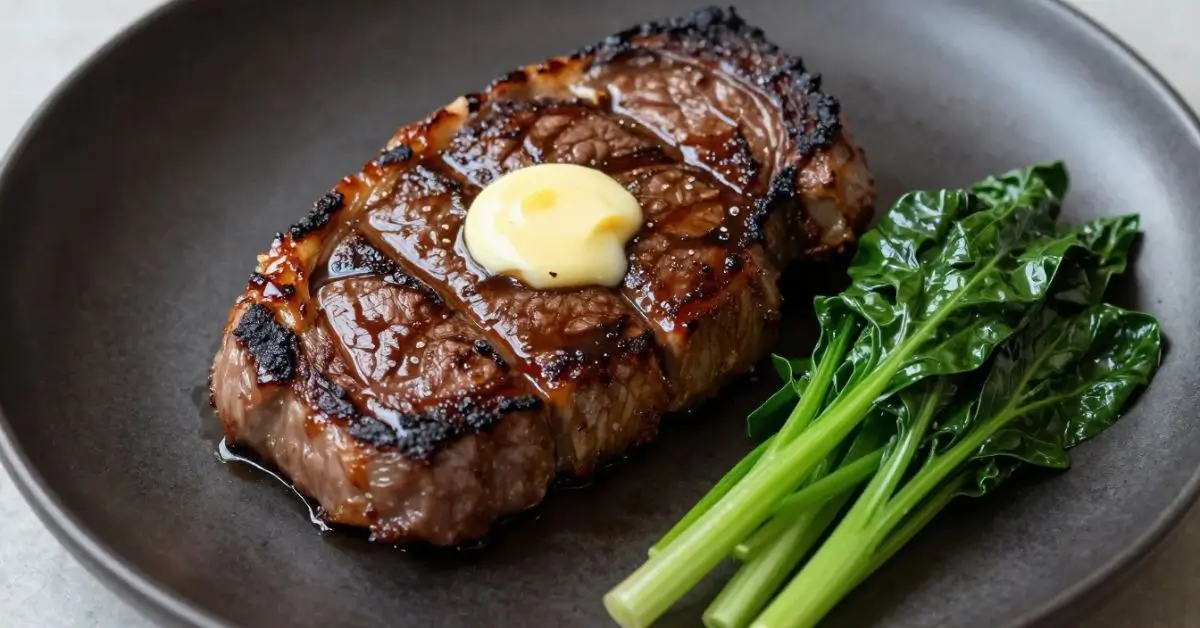
When you choose filet mignon, you’re usually thinking about tenderness and flavor. But for many health-conscious eaters, fitness enthusiasts, and home cooks, nutrition matters just as much. The good news? Beef filet mignon nutrition offers an impressive balance of high-quality protein, essential nutrients, and relatively low fat compared to many other steak cuts.
This guide breaks down calories, macros, vitamins, and health benefits—without the fluff—so you can decide if filet mignon fits your diet and lifestyle.
What Is Filet Mignon?
Filet mignon comes from the beef tenderloin, one of the leanest and most tender cuts of beef. Because this muscle does very little work, it contains less connective tissue and fat than cuts like ribeye or T-bone.
That tenderness also makes filet mignon popular with:
Health-conscious meat eaters
Fitness and macro-tracking diets
Low-carb, keto, and paleo followers
Beef Filet Mignon Nutrition Facts (Cooked)
Below is an approximate nutrition breakdown for cooked filet mignon (grilled or pan-seared), based on USDA data.
Filet Mignon Nutrition per 100g
Calories: ~210–220 kcal
Protein: ~26 g
Fat: ~12 g
Saturated fat: ~5 g
Carbohydrates: 0 g
Fiber: 0 g
This makes filet mignon a zero-carb protein source, ideal for low-carb and keto diets.
Filet Mignon Serving Size Explained
A standard filet mignon serving size is about 3–4 ounces (85–113 g) cooked.
Per serving, you’ll get:
High protein to support muscle repair
Moderate fat for satiety
No added sugars or carbs
Portion size matters, especially if you’re tracking calories or cholesterol.
How Much Protein Is in Filet Mignon?
Filet mignon protein per serving is one of its biggest strengths.
3 oz cooked filet mignon: ~22–24 g protein
100 g cooked filet mignon: ~26 g protein
This makes it a strong option for:
Muscle building
Weight maintenance
High-protein meal planning
Filet Mignon Fat Content: Lean or Fatty?
Many people ask: Is filet mignon lean or fatty?
Compared to other steaks, filet mignon is considered lean.
Steak Nutrition Comparison (Simplified)
Filet mignon: Lower fat, fewer calories
Sirloin: Lean, slightly firmer texture
Ribeye: Much higher fat and calories
While filet mignon does contain fat, it’s significantly less than ribeye, making it easier to fit into calorie-controlled diets.
Vitamins and Minerals in Filet Mignon
Beyond protein, filet mignon vitamins and minerals add serious nutritional value.
Key nutrients include:
Iron: Supports oxygen transport and energy levels
Zinc: Boosts immune health and metabolism
Vitamin B12: Essential for nerve function and red blood cells
Niacin (B3): Supports digestion and energy production
These nutrients make filet mignon especially beneficial for active individuals and those at risk of iron deficiency.
Is Filet Mignon Healthy?
Yes—when eaten in moderation.
Filet mignon is healthy because it:
Provides complete, high-quality protein
Contains no carbohydrates or sugar
Supplies essential micronutrients
Has less fat than many premium steaks
Healthfulness depends on portion size and cooking method. Grilling or pan-searing with minimal oil keeps calories in check.
Filet Mignon Nutrition for Keto and Low-Carb Diets
If you’re wondering does filet mignon have carbs?—the answer is no.
Carbs: 0 g
Protein-fat balance: Keto-friendly
Blood sugar impact: Minimal
This makes filet mignon an excellent choice for keto, paleo, and diabetic-friendly meals (informational use only).
Cooked vs Raw Filet Mignon Nutrition
You may notice differences between filet mignon nutrition cooked vs raw.
Raw values are lower in calories by weight
Cooking reduces water content, making nutrients more concentrated
Protein content remains high after cooking
Always rely on cooked values for realistic calorie tracking.
Filet Mignon and Cholesterol
Filet mignon cholesterol content averages around 70–80 mg per 3 oz serving.
For most healthy individuals:
This fits within balanced dietary guidelines
Pairing steak with fiber-rich vegetables supports heart health
Those monitoring cholesterol should focus on overall dietary patterns, not single foods.
Is Filet Mignon Good for Weight Loss?
Yes, filet mignon can support weight loss when eaten mindfully.
Why it works:
High protein increases fullness
Lower fat than many steaks
No carbs or added sugars
Stick to reasonable portions and avoid heavy sauces or butter-based toppings.
FAQ`s
How many calories are in filet mignon?
A cooked 3 oz serving contains about 200–220 calories, depending on fat content and cooking method.
Is filet mignon healthier than ribeye?
Yes. Filet mignon has less fat and fewer calories than ribeye while still providing high protein.
What are filet mignon macros?
Typical macros per 100 g cooked:
Protein: ~26 g
Fat: ~12 g
Carbs: 0 g
Is filet mignon USDA-approved nutrition data reliable?
Yes. Filet mignon nutrition USDA data is commonly used as a reference for beef tenderloin cuts.
Can diabetics eat filet mignon?
From a nutrition standpoint, filet mignon contains no carbs or sugar, making it suitable for blood-sugar-aware diets (informational only).
Final Thoughts
Beef filet mignon nutrition combines premium taste with strong nutritional value. It’s lean, protein-rich, carb-free, and packed with essential vitamins and minerals. Whether you’re lifting weights, tracking macros, or planning a balanced meal, filet mignon can fit comfortably into a healthy eating pattern when enjoyed in moderation.
Author Bio
Daniel Carter is a professional content writer specializing in food, nutrition, and health topics. He holds a bachelor’s degree in Nutrition Science and has several years of experience creating research-based, reader-friendly content for educational and lifestyle platforms.

 Cartoon11 months ago
Unlocking the Potential of Nekopoi.care: A Comprehensive Guide
- Game2 years ago
Exploring Aopickleballthietke.com: Your Ultimate Pickleball Destination
- BUSINESS2 years ago
Unraveling the Mystery of 405 Howard Street San Francisco charge on Credit Card
- HEALTH2 years ago
Wegovy: Important Information and Prescription Instructions
- BUSINESS11 months ago
What Companies Are In The Consumer Services Field
- HOME IMPROVEMENT2 years ago
Vtrahe vs. Other Platforms: Which One Reigns Supreme?
- ENTERTAINMENT2 years ago
Understanding Bunkr Album: A Comprehensive Guide
- ENTERTAINMENT2 years ago
The Ultimate Guide to MP3Juices: Free Music Download