HOME IMPROVEMENT
A Dig at Twitter Cancel Culture

Although I own a Twitter account, I have been unwilling to touch it ever since my little brother began running an Animal Crossing account about a year ago and got brutally cancelled by Animal Crossing Twitter for saying he disliked one of the villagers. I can’t believe I just wrote that sentence. The fact that people were willing to send floods of hate to a 12-year-old for personally disliking a video game character made me more than doubtful of the validity of Cancel Culture.
And yet, I have seen #cancelled do a lot more good than harass children. For example, during the #MeToo movement, #cancelled was used to bring attention to people like Bill Cosby, Harvey Weinstein, and R.Kelly, who had managed to escape scrutiny from the media for their sexual assaults on countless women.
At its best, Cancel Culture is a tool that the public sphere uses to hold public figures accountable for their actions, and to inspire conversation around controversial topics. At its most mediocre, where it tends to sit, it is used to bully people for holding dissenting opinions. And at its very worst, Cancel Culture is thousands of people on Twitter allowing their opinions to be swayed by a few incendiary tweets, and collectively shaming a single person more for the sake of performative activism than for any genuine care for the issue at hand.
When did Cancel Culture become so petty? Is the same Cancel Culture that took out my 12-year-old brother over an Animal Crossing tweet the same Cancel Culture that pushed forward important movements like #MeToo?
THE “MEME-IFICATION” OF THE WORD “CANCEL”
Ever since the word “cancel” began being used in 2017 to refer to “the practice or tendency of engaging in mass canceling as a way of expressing disapproval and exerting social pressure,” its meaning has lost respectability and, to be fair, has always been somewhat vague. To cancel something, in the traditional sense, is to stop something from happening or continuing. In the case of cancelling somebody, this meaning took on the form of deciding to no longer support or partake in the work of a public figure, usually a celebrity.
Along with serious offenders like Harvey Weinstein, Twitter users have also come after people like singer Doja Cat for allegedly “saying something racist in a video chat room” (though with no evidence), TikTok stars Charli and Dixie D’Amelio for not being grateful enough to their chef, and most recently, YouTube video essayist Lindsay Ellis for tweeting this very controversial tweet, which led people to accuse her of being racist towards Asians:
In the case of Lindsay Ellis, Twitter users were going as far as to fabricate problematic tweets (which is not uncommon in the practice of getting people cancelled), sending her death threats, and reposting old videos of her that were triggering to her, as she is a survivor of sexual assault. While I will say more on this a later, it is important to note that all of this began with her posting a harmless tweet about her take on a Disney movie.
The problem is that anyone can be cancelled, and not for very much. Because cancel culture has been so overused, to be “cancelled” has lost all the meaning it once held. This undermines the seriousness of holding people accountable when they do things that are actually harmful. The same word that is applied to the likes of Bill Cosby is also applied to small content creators for essentially just being annoying.
The word cancelled has simply been overused to the point of it being a meme. Especially considering that people like James Charles, Chris Pratt, Lizzo, and Lana Del Ray get cancelled every other day it seems, but their careers never seem to suffer largely for it. What does it even mean to be cancelled? Along with this, we must also ask, does anyone actually pay any meaningful consequences?
THE DISCOURAGEMENT OF OPEN CONVERSATION FACILITATED BY THE STRUCTURE OF SOCIAL MEDIA
The function of the Twitter hashtag allows things to trend and be easily found by users. You can have up to 280 characters in a single tweet. This means that Twitter allows users to send out short bursts of thought that leave no room for nuanced opinion to thousands of people every day. Misunderstandings are bound to happen. Tweeting popular hashtags increases the likelihood of your tweet being seen by others, something that most users want. So, whenever #DojaCatIsOverParty is trending, people are likely to hop on the bandwagon and spread the wave of hate without fully forming their own opinions. Twitter as a platform is great for sharing short messages, but it is limited when it comes to encouraging people to hold free-flowing conversations.
THE WEAPONIZATION OF PEOPLE’S PASTS ON SOCIAL MEDIA
Another phenomenon that is often seen in cancel culture is the weaponization of people’s online histories, which ever since the rise of social media has become more and more accessible. In many cases when someone is cancelled, people will go into a frenzy of digging up old tweets, Facebook posts from six years ago, and the like, in order to find anything potentially problematic that could further tarnish a person’s character, which would then reinforce the need of getting them #cancelled. Truth to be told, while many times these posts are fabricated or are a stretch from begin called harmful, other times, truly problematic material is found.
Going back to the case of Lindsay Ellis for example, a particular Twitter user compiled a list of some of Ellis’s old and problematic content, such as old tweets filled with sarcastic comments about being bisexual, and also videos from 10 years ago where she mocked rape culture in potentially triggering ways. The user circulated this once (mostly white) people began accusing Ellis of being racist towards Asians after posting her tweet where she compared Disney movie Raya and the Last Dragon to Avatar (which is honestly spot on, go watch it for yourself if you don’t believe me). When being presented with this list of “sins” on Ellis’ part, it is hard to not immediately jump to the conclusion that Ellis is a bad person. However, in her video Mask Off, Ellis addresses each of these “sins” one by one explaining that she made the tweets about bisexuality because she felt she was regularly ostracized from the LGBTQ+ community for being only “half gay” and therefore had too much privilege to feel at all conflicted about her sexuality (although she struggled with accepting it for most of her life). In regards to her video joking about rape culture, Ellis explained she made it during a dark time in her life where she had just been assaulted and was using humor to cope with it.
When I learned about this context, I couldn’t help but feel differently about the accusations against her. While the content she posted was certainly offensive, it was also from several years ago, mostly came from a place of pain, and is completely overshadowed by her well-made video essays where she often calls out how racism, sexism, and homophobia shape the way we consume media.
I will be the first to agree that we should hold people accountable to their actions no matter how much time has passed, but with that being said, who hasn’t made mistakes in the past? Social media and the internet in general have made our online histories easily accessible so that people can see who we were as individuals, from years ago, distorting the people that we are today.
In the case of Cancel Culture, people weaponize each other’s pasts in order to get others cancelled, as they did with Ellis, which prevents people from growing. I don’t know anyone who has never been “problematic”. And personally speaking, I would not want to be defined by who I was 10 years ago.

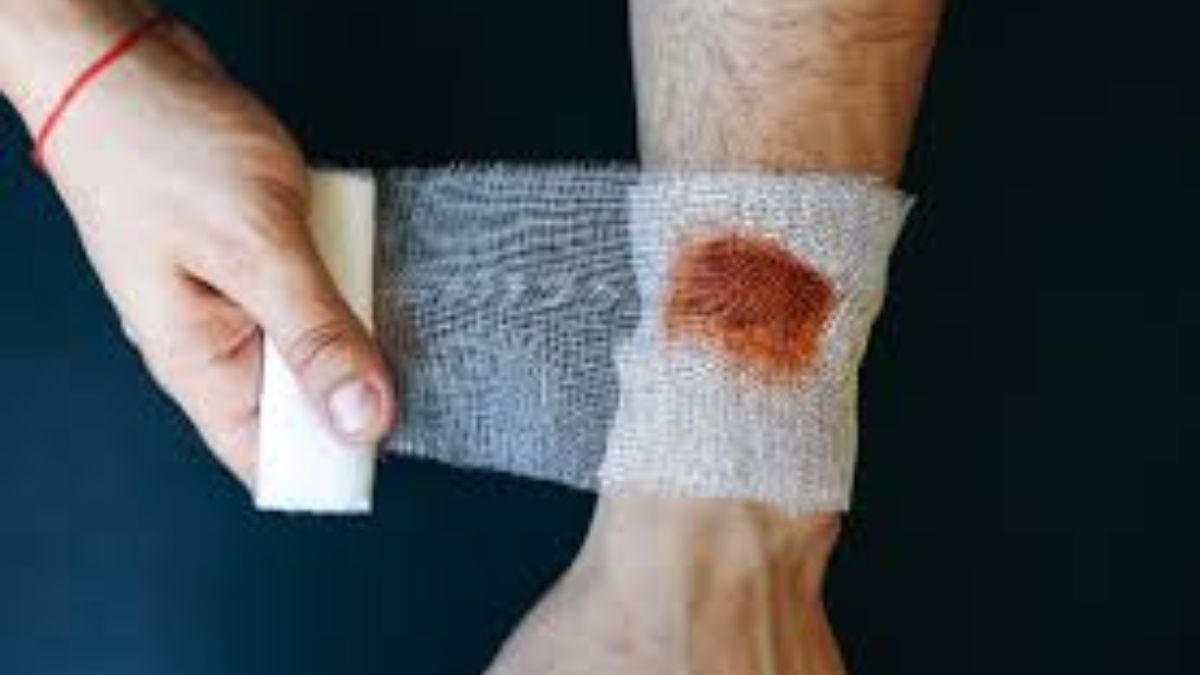
Severe bleeding is one of the most common medical emergencies that can occur unexpectedly. Whether it’s from a deep cut, traumatic injury, or an accident, knowing how to treat bleeding effectively is a critical life-saving skill. Understanding how to stop severe bleeding can be the difference between life and death, especially when professional medical help is not immediately available. In this guide, we’ll walk you through the essential steps on how to treat bleeding and help you understand what to do in case of an emergency.
Why is Treating Bleeding Important?
Bleeding is the body’s natural response to injury, but when it becomes severe, it can cause significant damage. If not treated promptly, severe bleeding can lead to shock, blood loss, and even death. By stopping the bleeding quickly, you can help prevent these severe outcomes and give the injured person a better chance of survival until professional medical help arrives.
Learning how to treat bleeding properly is an essential part of first aid training. With the right knowledge and actions, anyone can provide the necessary care during a bleeding emergency.
Step 1: Assess the Situation
Before you begin treating the wound, the first step in how to treat bleeding is to assess the situation. This helps you understand the severity of the injury and make informed decisions. Here’s what you should do:
- Ensure Your Safety: Before approaching the injured person, make sure the environment is safe. Check for any hazards, such as traffic or unstable structures. If the scene is dangerous, move the person to a safer location if possible.
- Check for Severe Bleeding: Look for large, open wounds or significant blood loss. Severe bleeding is typically characterized by blood that spurts from a wound (arterial bleeding) or flows heavily (venous or capillary bleeding). If bleeding is severe, it will need immediate attention.
- Call for Help: If the bleeding is severe and uncontrollable, it’s crucial to call emergency services immediately. Alert them to the situation and provide details about the severity of the injury.
Step 2: Apply Direct Pressure
Once you’ve assessed the situation, the next step in how to treat bleeding is to apply direct pressure to the wound. This is the most effective way to stop or slow down the bleeding.
- Use a Clean Cloth or Bandage: Take a clean cloth, gauze pad, or any available fabric and press it firmly against the wound. If you don’t have a cloth, use your hand, but avoid touching the bleeding directly with bare skin if possible.
- Apply Constant Pressure: Use your hand or a bandage to apply continuous pressure to the wound. The pressure helps compress the blood vessels, reducing blood flow and allowing the body to form a clot.
- Don’t Remove the Cloth: If blood begins to soak through the cloth, don’t remove it. Instead, add more layers of cloth or gauze on top and continue to apply pressure. Removing the cloth can disrupt the clotting process and cause the bleeding to worsen.
Step 3: Elevate the Injured Area (if possible)
If the injury is on an arm or leg, elevating the injured area may help reduce blood flow to the wound and slow the bleeding. However, do not attempt to elevate the area if it causes more pain or if there is a suspected fracture. Elevating the injured area is more effective for controlling bleeding from wounds in the limbs.
- Position the Injury: If the injured person is conscious and comfortable, carefully elevate the injured arm or leg above the level of the heart.
- Monitor for Shock: While elevating the injured area may help slow bleeding, it’s important to watch for signs of shock, which can include weakness, rapid breathing, and confusion. If these signs appear, try to keep the person warm and calm while awaiting medical help.
Step 4: Apply a Tourniquet (If Necessary)
In cases of severe bleeding, especially when the bleeding cannot be controlled with direct pressure, a tourniquet may be required. This is a more advanced technique and should only be used when necessary.
- When to Use a Tourniquet: A tourniquet should be applied only in cases of severe bleeding that cannot be controlled by direct pressure, particularly for limb injuries with large blood vessels.
- How to Apply a Tourniquet: If you’re trained in its use, apply the tourniquet 2–3 inches above the bleeding site (closer to the body). Tighten it until the bleeding stops. It’s important to note the time when the tourniquet was applied, as it should not be left on for too long, as this can cause tissue damage.
- Seek Medical Attention: Tourniquets should always be applied as a last resort. Seek professional medical help immediately if you use a tourniquet.
Step 5: Treat for Shock
Severe bleeding often leads to shock, a dangerous condition where the body’s organs do not receive enough oxygen. Recognizing the signs of shock and treating the person can help prevent further complications.
- Signs of Shock: Symptoms may include pale skin, rapid heartbeat, shallow breathing, weakness, confusion, or dizziness.
- How to Treat for Shock: Lay the injured person down on their back, raise their feet (if possible), and keep them warm by covering them with a blanket or clothing. Encourage the person to stay calm and still. Do not give them anything to drink or eat.
Step 6: Monitor and Comfort the Injured Person
While you wait for medical professionals to arrive, continue to monitor the injured person’s condition. Keep the injured area elevated (if applicable), maintain pressure on the wound, and stay with the person to offer comfort and reassurance.
Step 7: Follow Up with Professional Care
Once professional help arrives, inform them of the steps you’ve taken to treat the bleeding and follow any further instructions they provide. The injured person will likely need additional care and treatment, such as stitches, blood transfusions, or more advanced medical interventions.
How to Get Certified in First Aid for Severe Bleeding
Learning how to treat bleeding properly can save a life, and the best way to ensure you’re prepared for emergencies is to get certified. The First Aid for Severe Bleeding Certification is an essential course that covers these steps in detail. Through this certification, you’ll gain valuable hands-on skills to stop severe bleeding and provide first aid in emergencies.
By completing this course, you’ll:
- Learn how to recognize and treat severe bleeding
- Master techniques like applying direct pressure and using a tourniquet
- Gain confidence in your ability to respond to traumatic injuries
- Be better equipped to handle real-world emergencies
Conclusion
Knowing how to treat bleeding is a vital skill that could save someone’s life during an emergency. By learning how to act quickly and effectively, you can stop severe bleeding, reduce the risk of shock, and provide comfort until professional help arrives. Getting certified in First Aid for Severe Bleeding through CPR Certification Now ensures that you’re well-prepared for any emergency.

Blow Pops are a fun, colorful candy many people grew up enjoying—but if you’re a parent, a calorie tracker, or someone watching sugar intake, you probably want to know what’s really inside one. This guide breaks down blow pop nutrition information in a clear, honest, and easy-to-understand way, so you can make informed choices without confusion.
What Is a Blow Pop?
A Blow Pop is a hard lollipop with bubble gum in the center. It’s known for bold flavors, bright colors, and long-lasting sweetness. Nutritionally, it falls into the category of sugar-based candy, meaning most of its calories come from carbohydrates.
Blow Pop Nutrition Facts (Per Piece)
Here’s a general look at blow pop nutrition per piece. Values may vary slightly by flavor.
| Nutrient | Approx. Amount |
|---|---|
| Calories | 60–70 |
| Total Carbohydrates | 17–18 g |
| Sugar Content | 13–15 g |
| Fat | 0 g |
| Sodium | 0–5 mg |
| Protein | 0 g |
This table reflects what you’d typically see on a blow pop candy nutrition label.
How Many Calories Are in a Blow Pop?
One Blow Pop contains around 60 to 70 calories.
All of these calories come from sugars and carbs, not fat or protein.
For calorie-conscious eaters, this makes Blow Pops a low-fat but high-sugar snack.
Blow Pop Sugar Content Explained
If you’re wondering how much sugar does a blow pop have, the answer is: quite a bit for its size.
Around 13–15 grams of sugar per pop
Nearly 3–4 teaspoons of added sugar
No fiber or protein to slow sugar absorption
This matters especially for kids, diabetics, and frequent snackers.
Blow Pop Carbs and Sugar Breakdown
From a nutrition standpoint:
Blow pop carbs: Mostly simple carbohydrates
Blow pop sugar content: The majority of total carbs
No complex carbs or fiber
Blow Pop Ingredients Explained
Common blow pop ingredients include:
Sugar
Corn syrup
Artificial flavors
Artificial colors
Gum base (center)
Citric acid
There are no fats, vitamins, or minerals in meaningful amounts. Some flavors may contain allergens depending on manufacturing, so always check the label if allergies are a concern.
Blow Pop Gum Calories: Does the Center Add More?
Yes—but only slightly.
The gum center adds a few extra calories
Still entirely sugar-based
No nutritional benefits
So when looking at blow pop gum nutrition facts, think of it as an extension of the candy, not a separate snack.
Is Blow Pop Candy Unhealthy?
Blow Pops aren’t “bad” in moderation, but they’re not nutritious.
They are:
High in added sugar
Low in nutrients
Best treated as an occasional treat
For daily snacking, healthier options exist—but as an occasional candy, portion control is key.
Are Blow Pops Bad for Teeth?
Dentists often caution against hard candies like Blow Pops because:
Sugar stays on teeth for a long time
Sticky gum can trap sugar
Increases cavity risk if eaten frequently
Rinsing with water after eating helps reduce damage.
Blow Pop Nutrition Information for Kids
For children:
One Blow Pop already meets a large portion of daily sugar limits
Frequent consumption may affect dental health
Best reserved for special occasions, not daily snacks
Parents should balance candy with meals containing protein and fiber.
Is Blow Pop Safe for Diabetics?
From an informational standpoint:
Blow Pops are high in sugar
They can cause rapid blood sugar spikes
Not ideal without medical guidance
People managing diabetes should always check with a healthcare professional before including sugary candy.
Blow Pop vs Other Lollipops Nutrition
Compared to standard lollipops:
Calories: Similar
Sugar: Similar
Unique feature: Gum center
Nutritionally, Blow Pops are not significantly better or worse than most sugar candies.
FAQ`s
How many calories are in a blow pop?
About 60–70 calories per piece, depending on flavor.
How much sugar does a blow pop have?
Roughly 13–15 grams of sugar, mostly added sugars.
What is the serving size for a blow pop?
One individual lollipop (one piece).
Does blow pop contain fat or sodium?
No fat and only trace sodium amounts.
Does blow pop contain allergens?
Most flavors don’t list common allergens, but always read the label to be safe.
Final Thoughts
Understanding blow pop nutrition information helps you enjoy treats responsibly. Blow Pops are fun, nostalgic, and flavorful—but they’re best enjoyed occasionally, especially for kids and anyone watching sugar intake.
✍️ Author Bio
Daniel Carter is an experienced content writer specializing in food, nutrition, and consumer health topics. He holds an academic background in health sciences and has written evidence-based articles for educational blogs and nutrition-focused websites.
HEALTH
How I Fixed My Back Pain Without Visiting a Chiropractor — The Driving Upgrade I Didn’t Expect


For months, I kept telling myself the same lie when my back started hurting:
“It’s just stress.”
“I slept wrong.”
“It’ll go away on its own.”
But the truth was harder to accept.
My back pain didn’t come from the gym.
It didn’t come from sleeping wrong.
It didn’t come from bad posture at my desk.
It came from something I never expected:
Driving.
Not once did it cross my mind that the thing I did every single day — sometimes for hours — could be the reason my lower back felt like it was tightening more and more each week.
But one particular morning finally revealed the truth.
1. The Morning Everything Hit Me at Once
I woke up feeling okay.
Nothing unusual.
I got ready, grabbed my coffee, and headed out to my car like I always do. The moment I sat down and leaned back into the seat… something pinched. Not sharp, but deep — like a knot that had been sitting there waiting to say “good morning.”
By the time I reached the freeway, that little pinch grew into a stiff ache.
By the time I parked at work, I had to stretch just to stand up straight.
I remember thinking:
“Why does a 30-minute drive hurt more than lifting weights?”
That’s when I realized my back wasn’t “randomly” bothering me.
It was happening every day — right after driving.
And that small pattern changed everything.
2. I Tried Everything Except the One Thing That Actually Mattered
Like most people who don’t want to visit a chiropractor right away, I tried:
- Heating pads
- Stretching
- Lower back exercises
- Massage guns
- Rolling on a foam roller
- Swapping yoga with Pilates
- Strengthening my core
Some of it helped… but only temporarily.
It didn’t fix the root problem.
The pain always returned — especially after long drives.
And that’s when my frustration turned into a mission:
I needed to figure out exactly what was causing this.
3. The Shocking Discovery: My Car Seat Was the Problem
I came across an article talking about how standard car seats are designed for safety and style — but not for ergonomics.
Then I read this sentence and felt strangely attacked:
“Most car seats flatten your spine and force you into a posture that causes lower back compression.”
It explained everything I was feeling:
- The tightness
- The pressure
- The aching
- The stiffness
- The fatigue after even short trips
I started paying attention, and sure enough — halfway into a drive, my posture would collapse. My hips would tilt, my lower back would round, and all the pressure would fall right on the same painful spot.
I wasn’t ruining my back at the gym.
I was ruining it in my car.
4. The Unexpected Upgrade That Actually Fixed It
I didn’t want to spend hundreds on chiropractor sessions.
I didn’t want injections, adjustments, or medical bills.
So I searched for a simple, practical fix — something that could support my back while I was driving instead of making the problem worse.
That’s when I stumbled across the idea of using a car seat cushion.
I wasn’t convinced at first.
It sounded too easy.
Too small.
Too basic.
But the more I researched, the more I realized cushions are specifically designed to:
- Improve posture
- Correct pelvic tilt
- Reduce pressure on the spine
- Support the natural “S” shape of the back
- Prevent tailbone compression
- Help you sit properly without effort
It made sense.
My seat wasn’t the problem —
the lack of support was.
So I bought a cushion from a brand focused on practical driving comfort — AlexCar, which I kept seeing recommended for everyday ergonomic upgrades.
That small decision changed everything.
5. The First Drive With a Cushion Felt Like a Different Car
On the day it arrived, I opened the package, tossed the cushion on my seat, and drove to grab lunch.
And I swear, within minutes, I felt the difference.
✔ My hips stayed aligned
I didn’t slide into bad posture.
✔ My lower back felt supported
The pressure I usually felt disappeared.
✔ I wasn’t shifting around
For once, I wasn’t chasing a comfortable position.
✔ My tailbone wasn’t compressed
That deep ache I usually felt? Completely gone.
I remember parking, stepping out, and thinking:
“Is this what comfortable driving feels like?”
It didn’t fix my back instantly — nothing does — but it stopped the cause of the pain, and that’s what mattered most.
6. Small Change, Huge Results: How My Back Started Healing Naturally
Over the next week, something incredible happened.
The pain started fading.
The stiffness loosened up.
The pressure I felt after long drives disappeared.
Even standing and walking felt easier.
And I wasn’t doing anything dramatic —
I was just giving my spine the support it needed every time I sat in the car.
The more consistent I was, the faster my body healed.
The turning point came during a 90-minute drive one Sunday. Normally that would’ve left me sore for hours. Instead, when I arrived, I stood up and felt…
Nothing. No pain. No stiffness. No pressure.
That’s when I knew the real enemy wasn’t my back —
It was the seat I had been sitting on for years.
7. Why This Simple Fix Works Better Than You Think
A car seat cushion helps because it does what your car seat doesn’t:
✔ It restores proper posture
Your spine stays in a natural curve instead of collapsing forward.
✔ It reduces strain on your lower back
Support = less compression on your discs.
✔ It keeps your hips level
No more tilting that twists your lower spine.
✔ It improves blood flow
Your legs don’t go numb or heavy.
✔ It eliminates slouching
Your core stays relaxed, not overworked.
Driving no longer felt like a battle between me and my seat.
It felt… effortless.
8. The Best Part? I Didn’t Need a Chiropractor After All
I still believe chiropractors are helpful — but I didn’t need one.
My pain wasn’t coming from an injury or medical condition.
It was coming from bad sitting support.
Once that changed, everything changed:
- No more morning stiffness
- No more stretching the moment I step out
- No more pain halfway through a commute
- No more dreading long drives
I actually enjoy driving again.
That’s something I didn’t expect a small upgrade to fix.
Final Thoughts: The Fix You Never Realized You Needed
Back pain doesn’t start with one big moment.
It starts with tiny habits — the way you sit, the pressure you ignore, the discomfort you get used to.
And for many of us, the root cause is sitting in a position our bodies were never designed for.
A supportive car seat cushion won’t replace medical treatment if you truly need it —
but for everyday drivers dealing with chronic discomfort?
It might be the one upgrade that changes everything.
It certainly was for me.
I didn’t need injections.
I didn’t need adjustments.
I didn’t need weekly appointments.
I just needed the right support — something simple, something smart, something I never realized I was missing.
And now?
My back feels better than it has in years.

 Cartoon9 months ago
Unlocking the Potential of Nekopoi.care: A Comprehensive Guide
- Game2 years ago
Exploring Aopickleballthietke.com: Your Ultimate Pickleball Destination
- BUSINESS2 years ago
Unraveling the Mystery of 405 Howard Street San Francisco charge on Credit Card
- BUSINESS9 months ago
What Companies Are In The Consumer Services Field
- HEALTH2 years ago
Wegovy: Important Information and Prescription Instructions
- HOME IMPROVEMENT2 years ago
Vtrahe vs. Other Platforms: Which One Reigns Supreme?
- ENTERTAINMENT2 years ago
Understanding Bunkr Album: A Comprehensive Guide
- ENTERTAINMENT2 years ago
The Ultimate Guide to MP3Juices: Free Music Download